










 Kandarp
Table of contents(17)
Short on Time? Get the Key Points
Prompt copied. Paste it into Gemini's message box to get the summary.
We all know what happens when December rolls around on social media. One day you are sharing memes and highlights. And then suddenly everyone you follow starts posting their year in music stats. That’s the ritual of Spotify Wrapped.
Spotify did not invent sharing. But they reimagined it by turning personal data into something people actually want to show off. Instead of seeing numbers, users see pieces of their personality. Personality of top artists, most played songs, guilty pleasures and hours logged. The beauty is not the data. It is the reflection of self.
And that’s why Spotify Wrapped Marketing works. It feeds us back to our own story, wrapped in color and emotion. And we happily share it with the world.
Keep reading to know Spotify wraps!
Spotify did not Market Music. It Marketed YOU!
The thought we love about Spotify is that Spotify does not show what they did this year. They show you what you did and what you listened to.
That is a clever spin on personalized marketing strategy.
Instead of saying, “Hi, look at your numbers” … Spotify says. “Look at your journey.”
And because it feels like your story of the whole year, it becomes inherently sharable.
There is a thin line between telling and celebrating. And wrapped turns every user into a storyteller.
Numbers, Narratives and Human Connection
What Spotify Wrapped really did was turn cold data into warm stories. And that sparks real emotion.
But it is not the only brand tapping into this idea. In this year, we saw a lot of brands that are experimenting with data storytelling. They created moments that feel personal. They created moments that made people feel nostalgic and social.
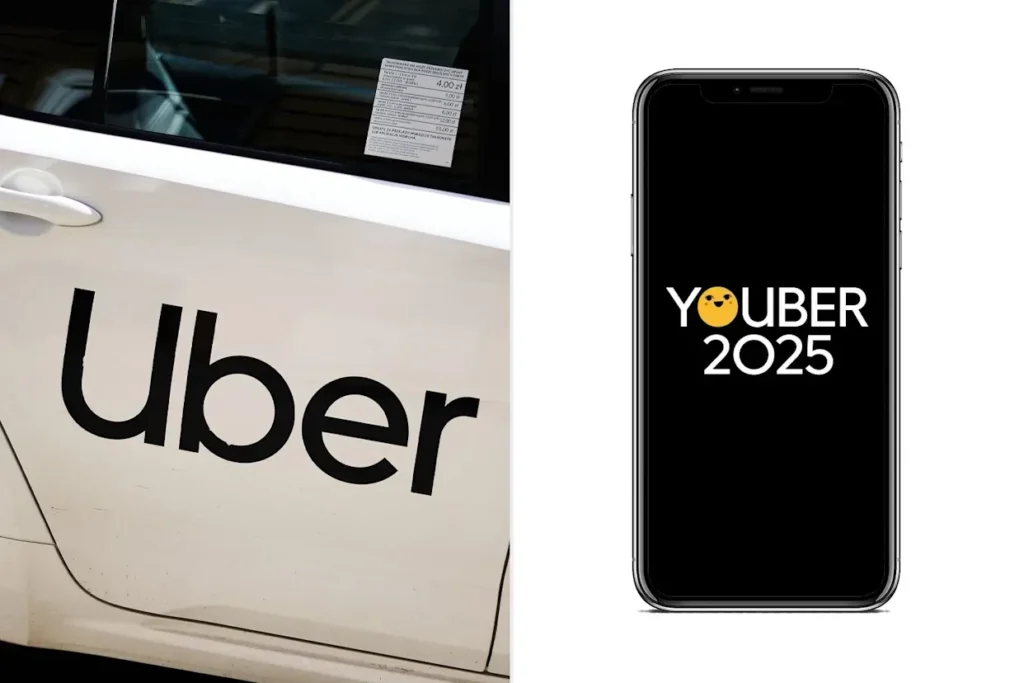
Take Uber’s new “Youber” feature, for example. Originally a satire on a popular comedy show sketch… Uber launched an actual year-in-review feature. This feature shows users their Uber and Uber Eats habits. Even giving playful personality profiles like “Delivery Darling” or “Planning Prodigy.” That is clearly borrowed from the Wrapped playbook. It has personalized stats, shareable insights and a fun, human angle that makes people want to post it on their feeds instead of hiding it.
See how brands are building on the story first mindset? This is exactly what annual recap campaigns can do when they focus on people instead of processes.
The Internet’s Fav Year-End Ritual
Spotify Wrapped became a ritual. It is because it consistently delivered joy, self-reflection, surprise and bragging rights. People wait for it. They compare the results. They create memes about it. This is what marketers dream about.
But now other brands are noticing that timing and context matter just as much as the message itself. Instead of dropping a generic holiday ad, memorable campaigns now aim to become a part of culture. Something people expect and look forward to each year.
When the World said “Wrapped”. Other Brands listened
Spotify Wrapped did not invent personalization. Brands have been using customer data for years. But Spotify showed the world that what personalization looks like then it feels emotional instead of transactional.
Wrapped flipped the script.
Instead of brands talking about themselves, it lets users talk about their own lives.
That is when marketers everywhere had their light-bulb moment.
Because once people experienced being the hero of the story… it became clear that this was not just a music campaign. It was a new way of building brand relationships.
Other brands began to notice that people were not sharing Wrapped because they were told to. They were sharing it because it felt like their identity, their year, their moment.
Brands across food, mobility, fitness, fashion and tech started asking that…
What data do we already have that customers would care about?
How can we turn usage into a personality?
How do we make our customers feel seen and not tracked?
The result was not copying Spotify’s format. It was borrowing its philosophy.
When Food, Fitness & Fashion wanted their own “Wrapped” Moment
Let’s look into some 2025 examples where brands did the same spark of personal shareability:
Uber – Youber
Uber leaned into an idea and launched Youber. It is a year-in-review feature that shows users their ride and delivery patterns. Plus, favorite services and quirky personality tags. The result was a playful recap that was easy to share and rooted in real behavior.
What people really loved about this was that Youber did not feel like a brand flex. It felt like self-discovery.
The campaign idea was, “You already used Uber so much. Let’s show you what that says about you.” Of course, not in a creepy way. But in a fun and slightly teasing way.
It told you things like:
Are you late night rider or a weekend explorer
Do you lean more toward food orders or rides
Which Uber service you subconsciously trust the most
The moto was not officially written anywhere but the feeling was, “Your year through Uber”
People shared it not to praise Uber but to laugh at their own habits. That is the sweet spot Spotify Wrapped always hits and Uber nailed it too.
Apple Music Replay
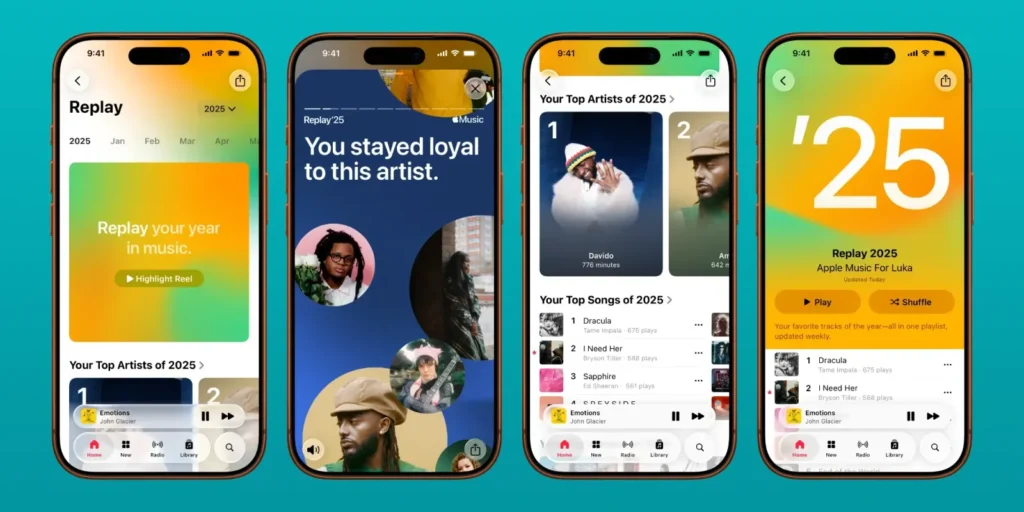
This campaign is similar to Spotify Wrapped. But with a very Apple mindset. Instead of loud visuals or meme heavy sharing, Replay focused on personal pride.
Campaign was about Apple Music Replay giving users a yearly summary of:
- Top songs, albums, and artists
- Total listening minutes
- Milestone playlists like “Your Top 100 Songs”
- Month-by-month listening trends
Unlike Wrapped, Replay stayed accessible all year, slowly updating as habits evolved.
What made people talk about it was that Replay did not try to compete with Spotify on humor. It competed in reflection.
The core thought felt like, “This is the soundtrack of your year. Sit with it.”
For Apple users, this felt natural with clean layouts, calm colors and no noise. It matched the brand’s personality perfectly.
Duolingo – Year in Review
Duolingo’s 2025 Year in Review was not just about the summary of lessons completed. It was a full personality reveal. Reveal delivered in Duolingo’s signature unhinged and internet native tone.
The campaign was about Duolingo giving users a playful breakdown of the year. It included:
- Total lessons completed
- Streaks maintained (or broken… very publicly)
- Languages studied
- “Learner personality” labels and humorous callouts
All in bold colors, sharp copy and meme ready slides built for sharing.
It created massive hype as Duolingo understands that people do not just want stats. They want validation with humor.
The campaign teased users. Celebrated them. Called them out. The unspoken moto felt like, “We saw your effort. We also saw your excuses.”
and honestly made it lovable.
Duolingo’s owl did not act like a teacher. It acted like a friend who reminds you of your goals. This is the reason why the campaign traveled fast across Instagram, X, Tik Tok.
What Spotify understood and most brands still miss
Spotify is not hyped because of better algorithms. It is hyped because it understands people. Most brands think attention is about shouting louder. Spotify knows that attention is about feeling seen. And that is the difference.
Spotify Wrapped does not feel like marketing. It feels like someone sat next to you and said, “Hey… this is what your year sounded like.”
And this is why brand engagement tactics today are focused on lifting the user’s voice by giving people moments that feel like they belong to them.
Five simple ways brands can create their own ‘Wrapped’ story
You do not need Spotify’s data team or Duolingo’s owl to create a wrapped moment. You just need attention to people and not platforms.
Here are five simple and double ways brands can build their own version of ‘Wrapped’ story.
1. Turn everyday data into a human story
Every brand collects data but very few brands tell stories with it.
Instead of showing raw numbers, translate them into moments people recognize.
Not: 1248 orders placed
But: 1248 time you chose us on busy Mondays, lazy Sundays, etc.
People do not want to be connected with stats. They connect with what those stats say about their lives. This is the core of every great Wrapped story. Data should feel personal and not analytical.
2. Make your audience the hero, not your brand
Wrapped works because Spotify never says, “Look how great we are.” It says, “Look how interesting you are.”
Brands often get this wrong.
Your Wrapped-style content should not celebrate your growth or awards or milestones. It should celebrate your users’ habits, choices, quirks and consistency. When people feel seen, they share. When brands are promoting themselves, people scroll.
The rule is simple that if it sounds like a case study, rewrite it.
2. Add personality instead of polish
Your Wrapped story does not need studio lighting. It needs a voice.
Duolingo’s recap worked because it joked. Spotify’s wrapped works because it feels friendly. Apple recap worked because it encouraged your playlist without leaving their own brand behind.
Let your brand sound like a human and not a deck presentation.
Ask to yourself that:
- Would a real person say this
- Does this feel warm or robotic
- Is this something someone would screenshot
Personality makes content shareable.
3. Design it for Sharing
A good Wrapped story should be understood in three seconds. If someone needs context to “get it,” then, it is already lost.
People share what is easy to show. They do not share what needs explanation.
So, if you are in doubt… ask that, “Would this look good in a story or post without a caption or not”
If you feel yes, then you are on the right track.
5. Make it feel like moment and not a campaign
Wrapped works because it feels like an event which users of Spotify wait for the whole year.
It shows up once a year. It feels special. It creates anticipation. You can launch your moment as a milestone or a season end reflection or a community moment.
When people sense meaning… they pay attention
These are practical and human-centered tactics. These tactics move beyond generic marketing and into shareable experience crafting.
People do not share Ads. They share Themselves
People do not want ads. They want moments that they could recognize as their own. When a brand can reflect that back to them, suddenly sharing is pride.
And that’s the thing behind user-generated content campaigns and personalized customer experiences that resonate with.
The Granth Take
Spotify Wrapped is the proof that the smallest moments can leave the biggest impact on the public. That is the moto of meaningful marketing. Not to sell more but to make people feel a little more understood.
When people see themselves in your brand, they do not just share it. They carry it with them.
 Chat
Chat