- December 11, 2025
The Art of Saying More with Less: Micro-Content Mastery
7 minutes to read
7 minutes to read
People do not have time. People do not pay attention. People do not have patience.
The brands that are winning right now are the ones talking less. But they are saying more. Yes. This is what Micro-Content is. Micro-Content is where 3 seconds or 5 words or one bold visual can speak louder than a 2-minute pitch.
Let’s talk about ‘HOW.’
People scroll fast. But they do not scroll mindlessly. They pause when something resonates. They pause when something makes them laugh. They pause when something surprises them or hits an emotional chord.
That is why smart brands are not writing essays or long-winded posts. They are focusing on moments that stick to memory.
This is where micro content strategy, minimalist content marketing and concise communication become winning moves. It is about creating content that lands instantly, engages deeply and is impossible to ignore.
In short: cut the fluff, keep the meaning, hit the heart and make every scroll count.
People are not reading anymore. They are skimming. They are moving fast but their eyes and hearts are always searching for a spark, a laugh, a surprise, a little nudge that makes them stop and think. This is the reason why micro-content strategy is so powerful. It does not waste time. It delivers exactly what people need in the fewest possible words or seconds by hitting emotional and visual triggers without asking for patience or commitment.
Micro-content is the post you find yourself sharing with a friend. It is the line you quote later. It is the visual you cannot stop thinking about. That is why short and intentional content beats long and unfocused posts every single time.
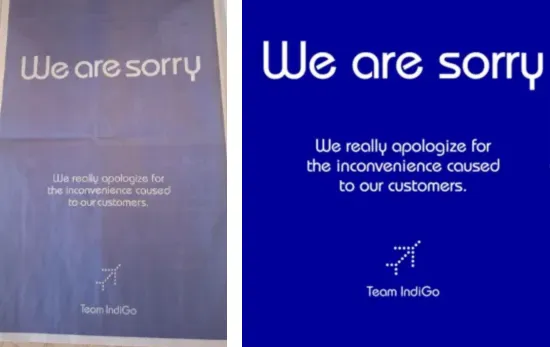
And when the brands get it right… those small moments turn into big conversations just like the recent campaign of IndiGo’s “We Are Sorry.”
Micro-content works when it connects emotionally. IndiGo proved it with three words. “We are sorry.”
Not dressed up. Not corporate polished. Just simple and clean words with clear admission.
The flights were delayed. Passengers were frustrated. IndiGo did not try to sugarcoat. They knew people were already stressed, annoyed and scrolling through social media. So, instead of writing a long press release or corporate heavy statement… they went straight to the point. This was the reason behind the campaign, to acknowledge the problem, connect with real people and show empathy.
People paused. People shared. People talked about it. And why not? In the world full of flashy ads… a brand saying “we messed up and we are sorry” will definitely stand out.
The posts were minimal. Just a few words. But they resonated because honesty hits differently. It made people seen, understood and even a little amused by the simplicity. Soon, social media lit up. It was with screenshots, memes and conversations around IndiGo’s apology.
This was micro-content at its best. Minimal words. Maximum honesty. Huge impact. It didn’t need fancy visuals or 2-minute videos. It leveraged human emotion and that’s what made it shareable, relatable and talked about everywhere.
But but but…
Micro-content is not just about being short. It is even about being intentional, timely and real. When a brand can pause the scroll with honesty, it can create more buzz than any glossy and overproduced ad.
Let’s look at a few more recent campaigns that created hype and nailed the art of short form storytelling.
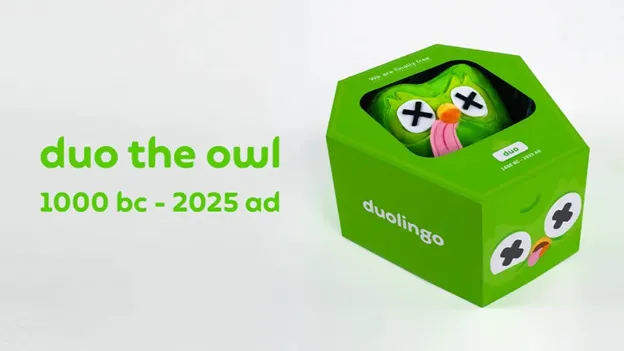
The green owl “died.”
Yes. Dead. Gone. RIP
The internet LOST it.
Duolingo posted minimal black screens, a coffin emoji and dramatic one-word captions like “why” or “it’s over.”
Zero explanations. Zero paragraphs.
It was just pure chaos-filled social media micro-content that made everyone talk.
Duolingo wanted to grab attention in a surprising way. They wanted to remind users about Duo, their beloved and slightly scary mascot. Instead of a regular post or ad, they chose shock and humor that shows “Duo has died.” This was to create curiosity, conversation and engagement. The goal was to make people stop scrolling, react emotionally and remember the brand.
The internet lost it. Users flooded social media with memes, jokes, conspiracy theories that says “Duo died because you skipped lessons.
Buzz was created through:
Duolingo did not even have to push paid ads.
Two words
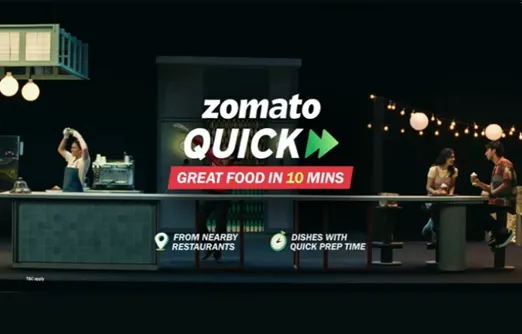
“10-minute delivery.”
That’s it. No fancy visuals. No long storytelling.
Just a number that shocked people and made the public debate, joke, criticize and applaud. All at once.
This is high-impact short content at its peak. Short content can spark big conversations.
Zomato wanted to stand out in a crowded market of food-delivery by offering something people crave. That craving is ‘speed’. With busy urban lives, instant delivery is a need. The campaign aimed to grab attention with short, fun, shareable content while promoting 10-to-15-minute delivery.
They released snackable films. Those films highlighted “10-minute delivery” in a playful and relatable way. Short, catchy visuals + quirky humor got people watching, sharing and talking. The promise of super-fast delivery matched real-life cravings. This was impossible to ignore.
It created buzz by:
Zomato’s speedy delivery made people stop, watch and share through micro-content.
This formula works because you are fighting for their attention. And attention responds to clarity, relevance and impact. Micro-content works because it respects the user’s speed. People scroll fast. So, content has to land immediately.
It delivers emotions instantly. Be it laughing or surprising or nostalgia or empathy. The feeling sticks longer than the long explanation ever could.
It creates curiosity without confusion. The audience should pause, think or smile. But the audience should never feel lost or overwhelmed.
Minimal words. Maximum engagement. Instant resonance. Shareable moments. That’s the formula of micro-content. It should not just be short. But it should be purposeful, human and impossible to ignore.
Micro-content is not about being short. It is about being sharp. The kind of sharp that cuts through noisy feed in seconds.
Fast because people do not want to wait around for context. You have one chance to make an impression.
A single line should carry enough emotion, clarity or cleverness to land instantly. No warm-up. No build-up.
Even if the content takes one second to read… the feeling should stay, even after the scroll.
If your one line makes people stop or smile or feel or think or share. Congratulations. You have cracked modern communication. You have created a moment in a world full of noise.
And that’s exactly what we chase at Granth.
Say less.
Mean more.
And let your brand speak in moments, not paragraphs.